


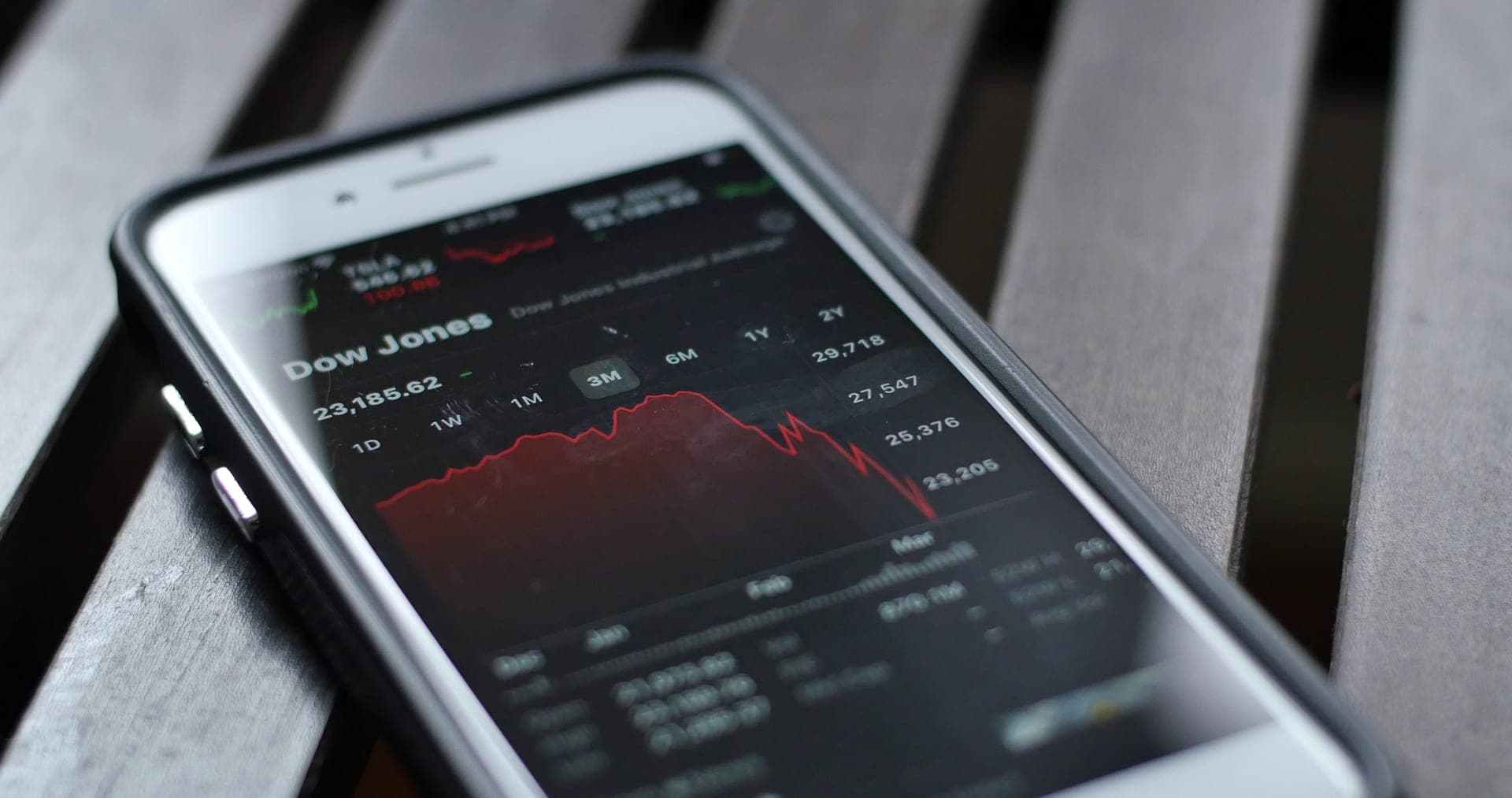
Stock markets don't move in straight lines—they cycle between periods of optimism (bulls) and pessimism (bears). Understanding these cycles helps you stay calm and make better decisions.
Bulls vs Bears: The Basics
Bull Market
A sustained period of rising prices (generally 20%+ from recent lows).
- Investor optimism
- Economic growth
- Rising corporate profits
- Can last years
Bear Market
A sustained period of falling prices (generally 20%+ decline from recent highs).
- Investor pessimism
- Economic concerns
- Falling corporate profits
- Typically shorter than bull markets
The Four Phases of a Market Cycle
1. Accumulation (Bottom)
What's happening: Markets have fallen. Pessimism is extreme. "Smart money" starts buying.
Investor sentiment: Fear, despair Headlines: "Is this the end of capitalism?"
2. Mark-Up (Bull Market)
What's happening: Prices rise. More investors join. Confidence builds.
Investor sentiment: Optimism growing Headlines: "Markets recover from lows"
3. Distribution (Top)
What's happening: Prices are high. Early investors sell. New investors buy at peaks.
Investor sentiment: Euphoria, greed Headlines: "New all-time highs!" "Everyone is getting rich"
4. Mark-Down (Bear Market)
What's happening: Prices fall. Sellers outnumber buyers. Panic selling.
Investor sentiment: Anxiety, then fear Headlines: "Market crashes" "Your 401(k) is down X%"
Then the cycle repeats.
Historical Context
Average Bull Market
- Duration: ~4-5 years
- Gain: ~150%+
Average Bear Market
- Duration: ~10-18 months
- Loss: ~30-40%
Key Insight
Bull markets typically last longer and gain more than bear markets lose. Time in the market beats timing the market.
What Causes These Cycles?
Economic Factors
- Interest rates (low rates → bull, high rates → bear)
- Corporate earnings
- Employment and wages
- Consumer spending
Psychological Factors
- Greed drives prices above fair value
- Fear drives prices below fair value
- Herding behavior amplifies both
External Shocks
- Pandemics
- Wars
- Financial crises
- Policy changes
How to Invest Through Cycles
1. Don't Try to Time the Market
Missing the best days destroys returns. Missing the 10 best days over 20 years can halve your returns.
Best days often come during:
- Peak fear
- Right after major declines
- When you most want to sell
2. Invest Consistently
Dollar-cost averaging (DCA) works because:
- You buy more shares when prices are low
- You buy fewer shares when prices are high
- You remove emotion from the equation
3. Rebalance Periodically
After a bull market: Stocks are a larger % of your portfolio. Rebalance by selling some.
After a bear market: Stocks are a smaller %. Rebalance by buying more.
This systematically sells high and buys low.
4. Keep Perspective
Every bear market in history has been followed by a bull market. Permanent losses come from selling during panics, not from market declines themselves.
What NOT to Do
During Bull Markets
- ✗ Assume it will never end
- ✗ Take on excessive risk
- ✗ Abandon your asset allocation
- ✗ FOMO into speculative investments
During Bear Markets
- ✗ Sell everything
- ✗ Check your portfolio daily
- ✗ Listen to doomsayers
- ✗ Abandon your long-term plan
Signs of Market Extremes
Signs of a Top (Be Cautious)
- "This time is different"
- Everyone is talking about stocks
- Taxi drivers and neighbors giving stock tips
- IPO frenzy
- Easy credit everywhere
Signs of a Bottom (Opportunity)
- "I'm never investing again"
- Maximum pessimism in headlines
- Valuations are historically low
- Nobody wants to talk about stocks
The Bottom Line
Market cycles are normal and inevitable. The investors who succeed are those who stay invested through full cycles, buying consistently, rebalancing periodically, and avoiding emotional decisions at extremes.