


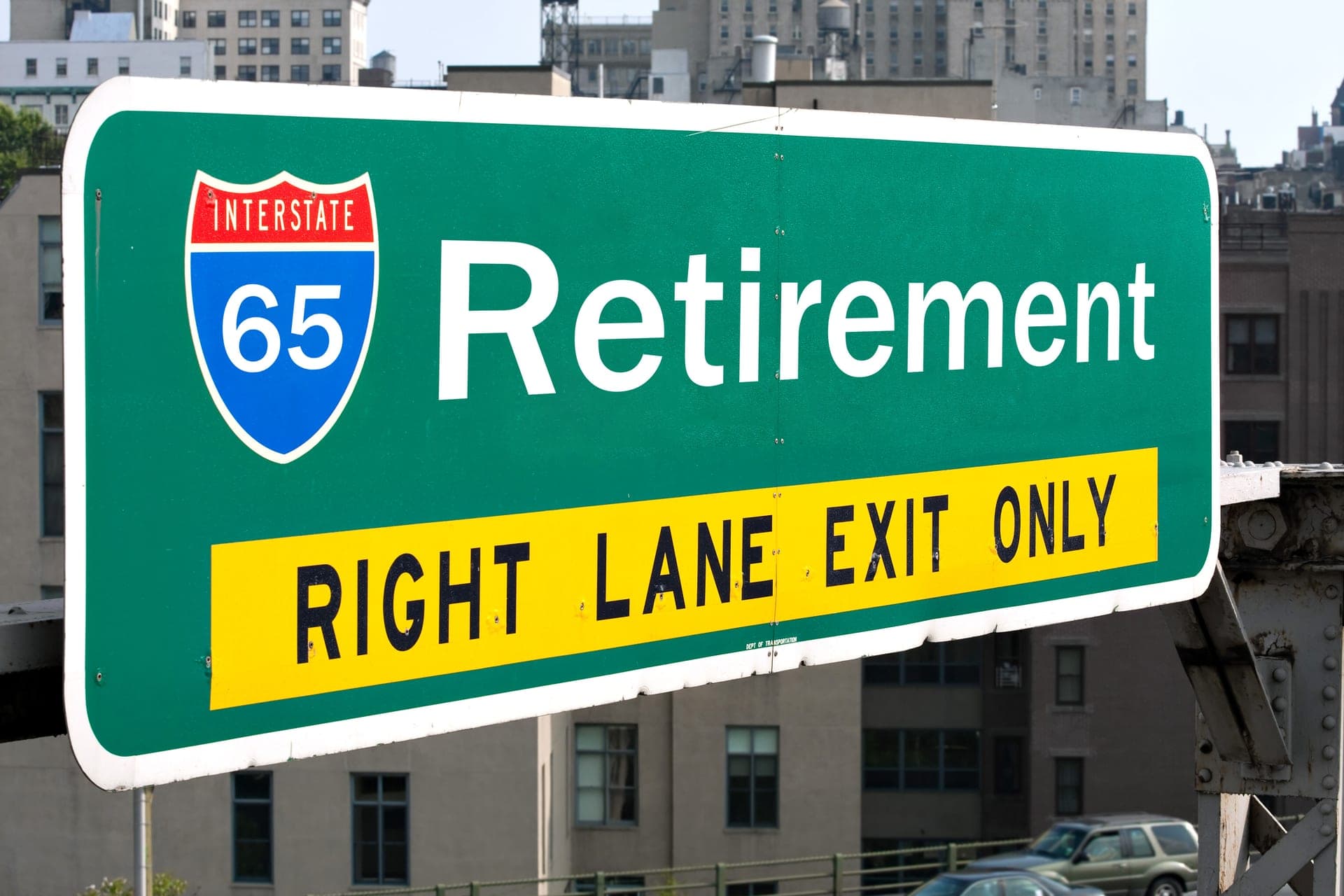
You've spent decades saving in tax-advantaged accounts. Now the IRS wants their cut. Required Minimum Distributions (RMDs) force you to withdraw from traditional retirement accounts starting at age 73. Here's how to navigate them strategically.
What Are RMDs?
RMDs are mandatory withdrawals from:
- Traditional IRAs
- 401(k)s and 403(b)s
- SEP IRAs
- SIMPLE IRAs
- 457(b) plans
NOT required from:
- Roth IRAs (during owner's lifetime)
- Roth 401(k)s (starting 2024, no RMDs required)
- HSAs
When RMDs Begin
Current Rules (SECURE 2.0)
- Born 1951-1959: RMDs start at 73
- Born 1960 or later: RMDs start at 75
First Year Options
Your first RMD can be delayed until April 1 of the year after turning the RMD age. But that means two RMDs in one year (could push you into higher tax bracket).
How RMDs Are Calculated
The Formula
RMD = Account balance (Dec 31 prior year) ÷ Life expectancy factor
The IRS provides life expectancy tables. The factor decreases as you age, so the RMD percentage increases.
Approximate RMD Percentages
| Age | Approx % of Account |
|---|---|
| 73 | 3.8% |
| 75 | 4.1% |
| 80 | 5.0% |
| 85 | 6.3% |
| 90 | 8.2% |
Example
$500,000 IRA at age 75 ÷ 24.6 (life expectancy factor) = $20,325 RMD
RMD Strategies
1. Roth Conversions Before RMDs
Convert traditional IRA to Roth between retirement and age 73:
- Pay taxes at potentially lower rates
- Reduce future RMDs
- Roth has no RMDs
Best candidates:
- Early retirees before Social Security starts
- Low-income years
- Large traditional IRA balances
2. Qualified Charitable Distributions (QCDs)
Donate up to $100,000 directly from IRA to charity:
- Counts toward RMD
- NOT included in taxable income
- Must be done directly (not to you first)
Requirements:
- Age 70½ or older
- Direct transfer to qualifying charity
- Must be traditional IRA (not 401k)
3. Strategic Timing
- Consider taking RMDs early in high-income years
- Bunch in low-income years if possible
- Coordinate with Social Security timing
4. Aggregate RMDs (IRAs Only)
If you have multiple IRAs:
- Calculate RMD for each
- Take total from any IRA(s) you choose
This allows flexibility—withdraw from overweighted accounts.
Note: 401(k)s don't aggregate. Each requires its own RMD.
Penalty for Missing RMDs
The Old Rule
50% excise tax on any amount not withdrawn
New Rule (SECURE 2.0)
25% excise tax (reduced to 10% if corrected within 2 years)
Still steep—don't miss your RMD.
Working Past RMD Age
Still Working Exception
If still employed and not a 5% owner:
- Can delay 401(k) RMDs from current employer's plan
- Must take RMDs from IRAs and old 401(k)s
Consider Rollover
If working past 73, consider rolling old 401(k)s into current employer's plan to delay RMDs.
Tax Planning Around RMDs
The Problem
RMDs are ordinary income. Large RMDs can:
- Push you into higher tax brackets
- Increase Medicare premiums (IRMAA)
- Make more Social Security taxable
- Affect other income-based benefits
Solutions
- Pre-RMD Roth conversions to reduce traditional balance
- QCDs to satisfy RMD without increasing income
- Tax-efficient withdrawal sequencing before RMD age
- Consider state tax impact (retire in no-tax state?)
Inherited IRAs and RMDs
Spouse Beneficiary
Can treat as own IRA or remain beneficiary. Different RMD rules apply.
Non-Spouse Beneficiary (Post-SECURE Act)
Most must empty the account within 10 years. Some annual RMD requirements depending on beneficiary type.
The rules are complex—consult a tax professional for inherited accounts.
The Bottom Line
RMDs force you to withdraw from retirement accounts, but strategic planning can minimize the tax impact. Start planning in your 60s with Roth conversions, understand the rules, and consider QCDs if charitably inclined. Don't miss RMDs—the penalties are severe.